
crosshatch
through the years
The early years
Our founders, Brad and Amanda Kik, met in 2004. They quickly started dreaming up an organization centered on their shared understanding that the arts and sustainable living are intertwined and essential to an enriching community. Less than a year later, in March 2005, Crosshatch Center for Art and Ecology, as we know it today, formed as ISLAND (Institute for Sustainable Living and Natural Design). Brad and Amanda were married a few months later, and so began our work to build a better Northwest Michigan.
“Our fundamental long-term and very broad goal is to work towards a convivial, community-centered, secure, and joyful existence. Indeed, to work toward the only existence that is worth having.” - original ISLAND Business Plan
Intersectional thinking may be relatively mainstream now. But our organization has been working since 2005 with the understanding that art and ecology are intertwined and uniquely poised to alter the way we see our communities when considered together.
We spent years researching sustainable living movements, artist residency programs, and land-based education programs. We learned the landscape of the community, identified needs, listened to stakeholders, and cataloged existing efforts. We partnered with our favorite local organizations to hold themed workshops and built a committed team of staff, board members, and advisors.

Key Programs from Crosshatch’s Past
Hill House Artist Residency
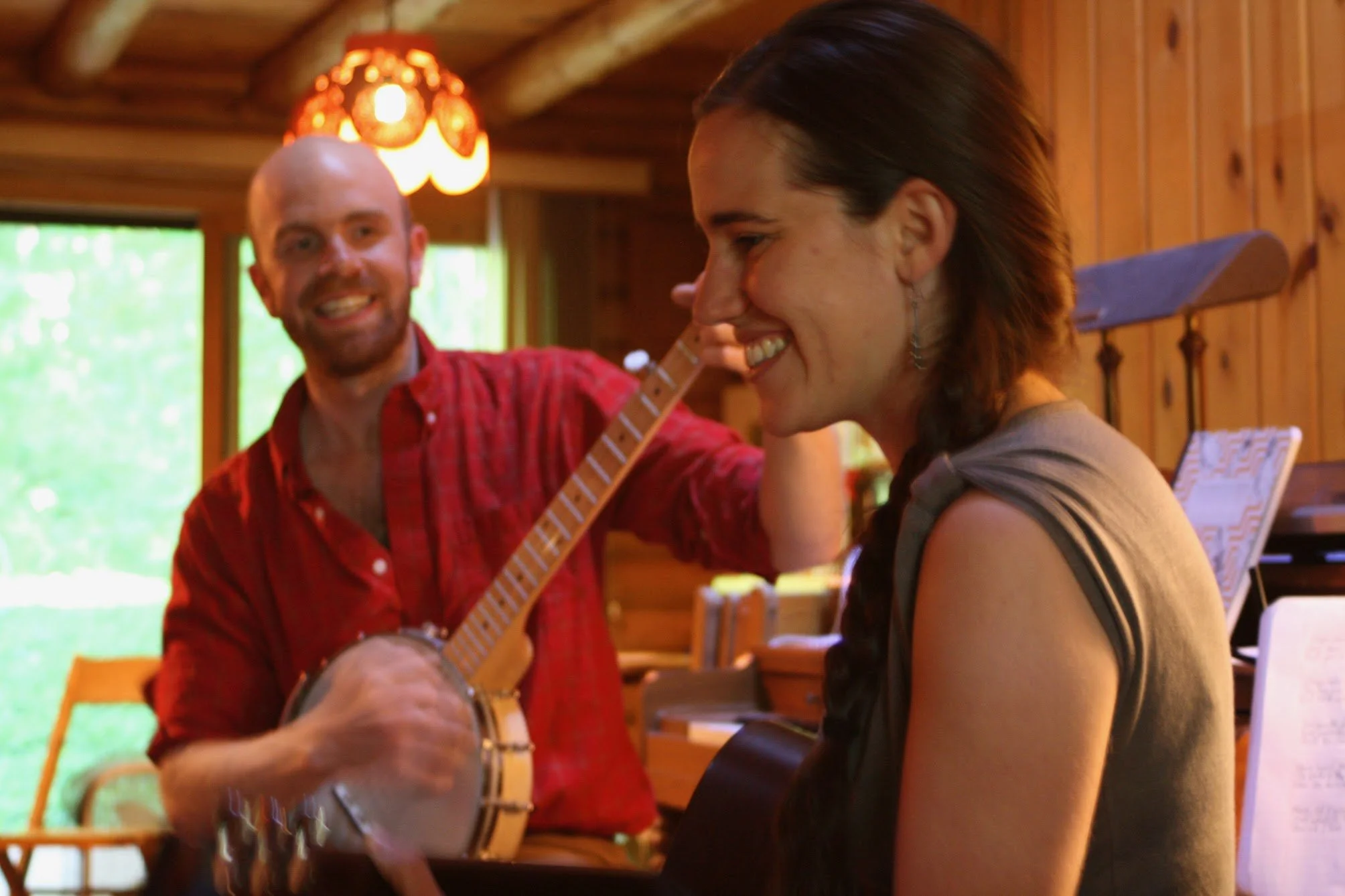
In 2010, the dream of starting an artist residency was realized with the Hill House, tucked away in the woods of Mancelona. Between 2010 and 2018, Crosshatch provided more than 130 artists with the space and time to focus on their creative endeavors.
Artist residencies are a valuable resource for artists in every medium, whether ongoing like the Hill House or pop-ups like the Long Memory Project. They may provide fresh inspiration, allow focused time for planning future pieces, and can be a space to create new work.
Our work providing residency opportunities to artists will continue to grow and meet artists where they are. A new ongoing residency program in Bellaire is planned to launch in 2026.
NMSFC & Expanded Farmer Programming
Most of Crosshatch’s early work in agriculture focused on home food production, building resilience, and increasing small-scale farming in the region. The Northern Michigan Small Farm Conference, started by MSU Extension, focused on farms with 20, 40, 100+ acres. These farms are small compared to modern farms of thousands of acres, but have little in common with farms growing on just a few acres. With the goal of filling this niche, we coordinated a homestead track at the conference.
As the years passed, we became more involved in the conference. Eventually, taking over as the fiduciary, then bringing it fully under the Crosshatch umbrella, with support from the conference planning committee.
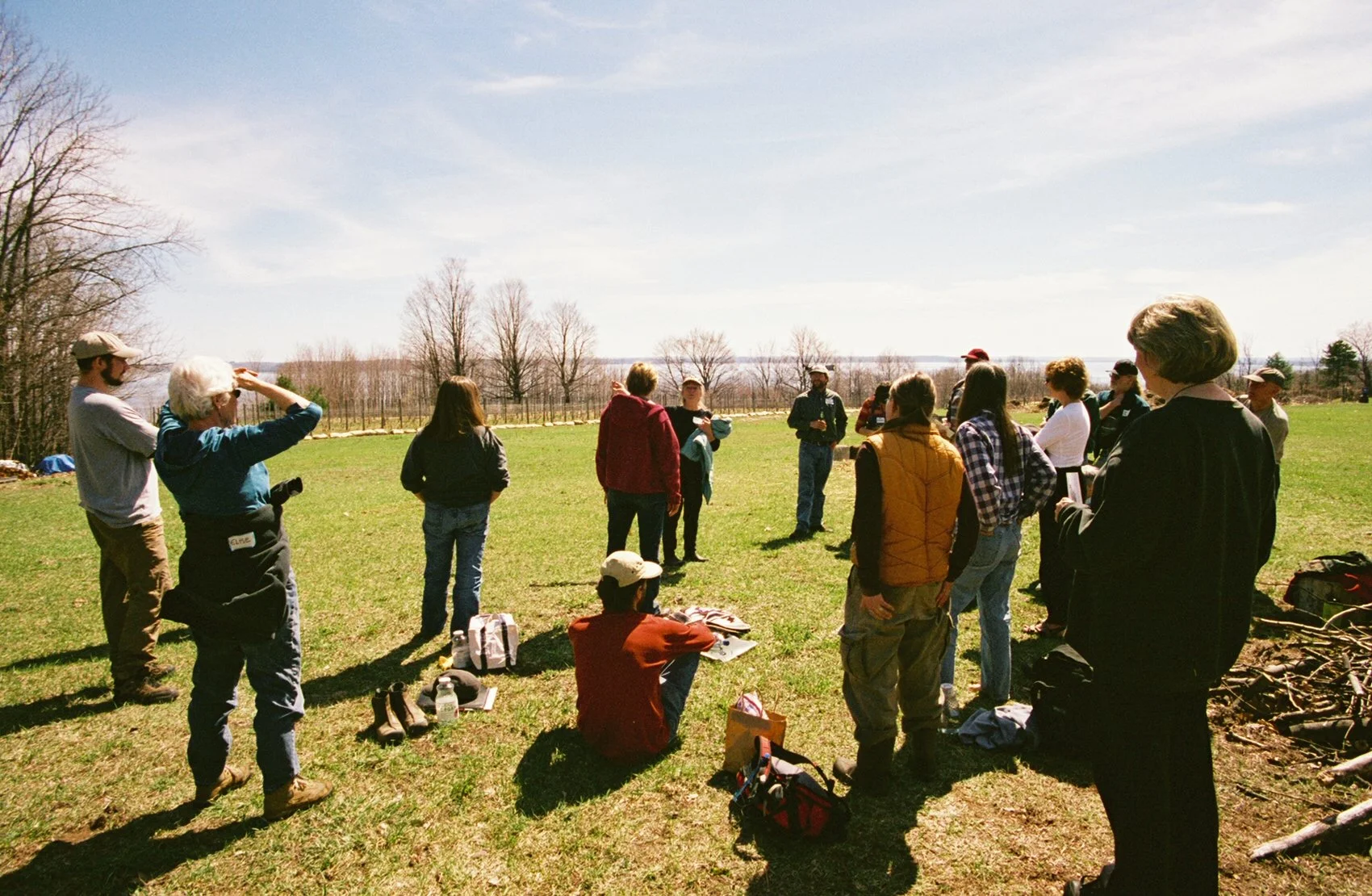
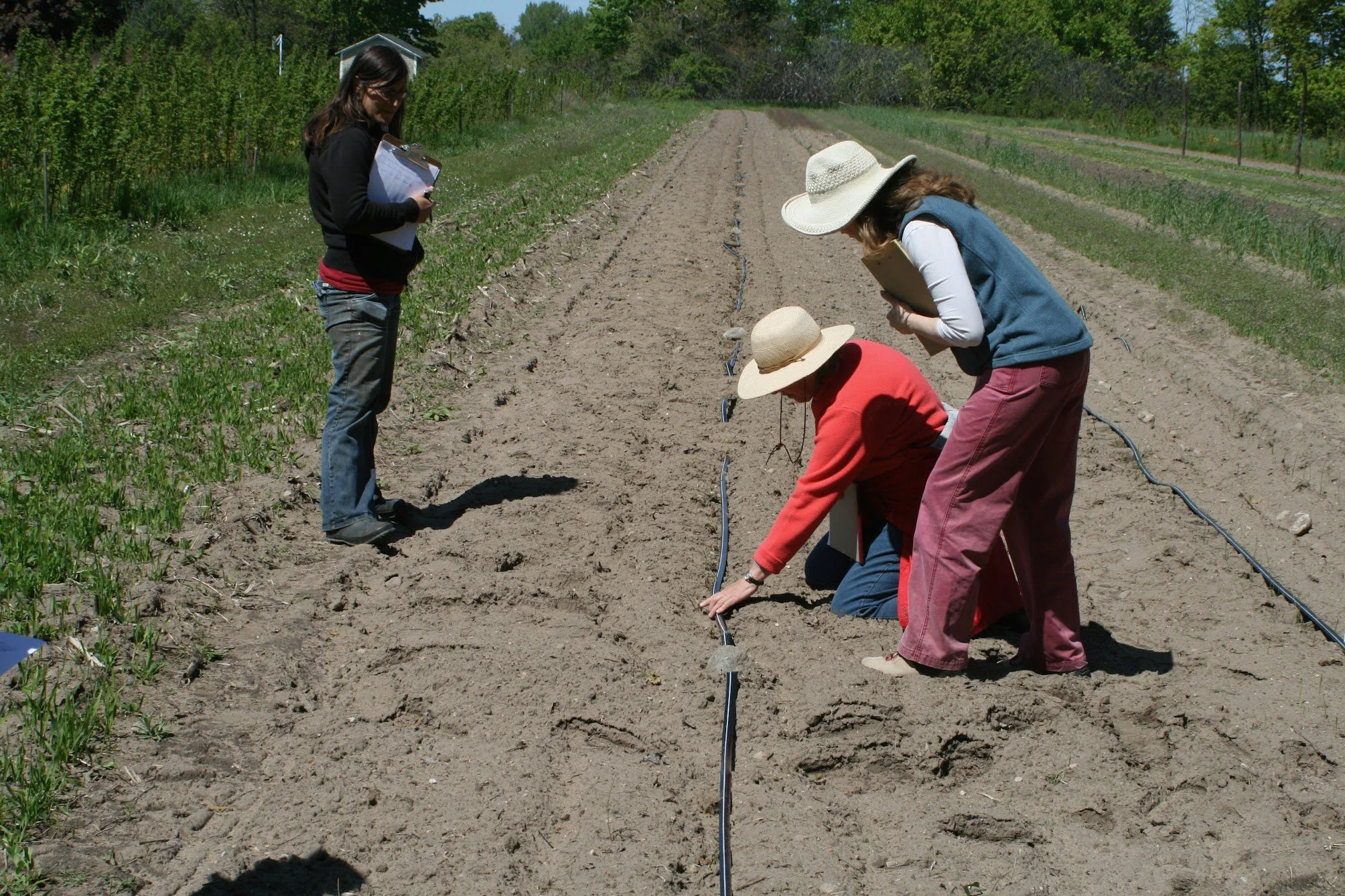
In addition to the conference, grant funding helped us expand into field days, on-farm workshops, twilight tours, and other offerings to support farmers throughout northwest Michigan. Our work in this area also includes facilitated gatherings of farmers to collaborate on solving complex problems that many farms encounter.
Skill Swap
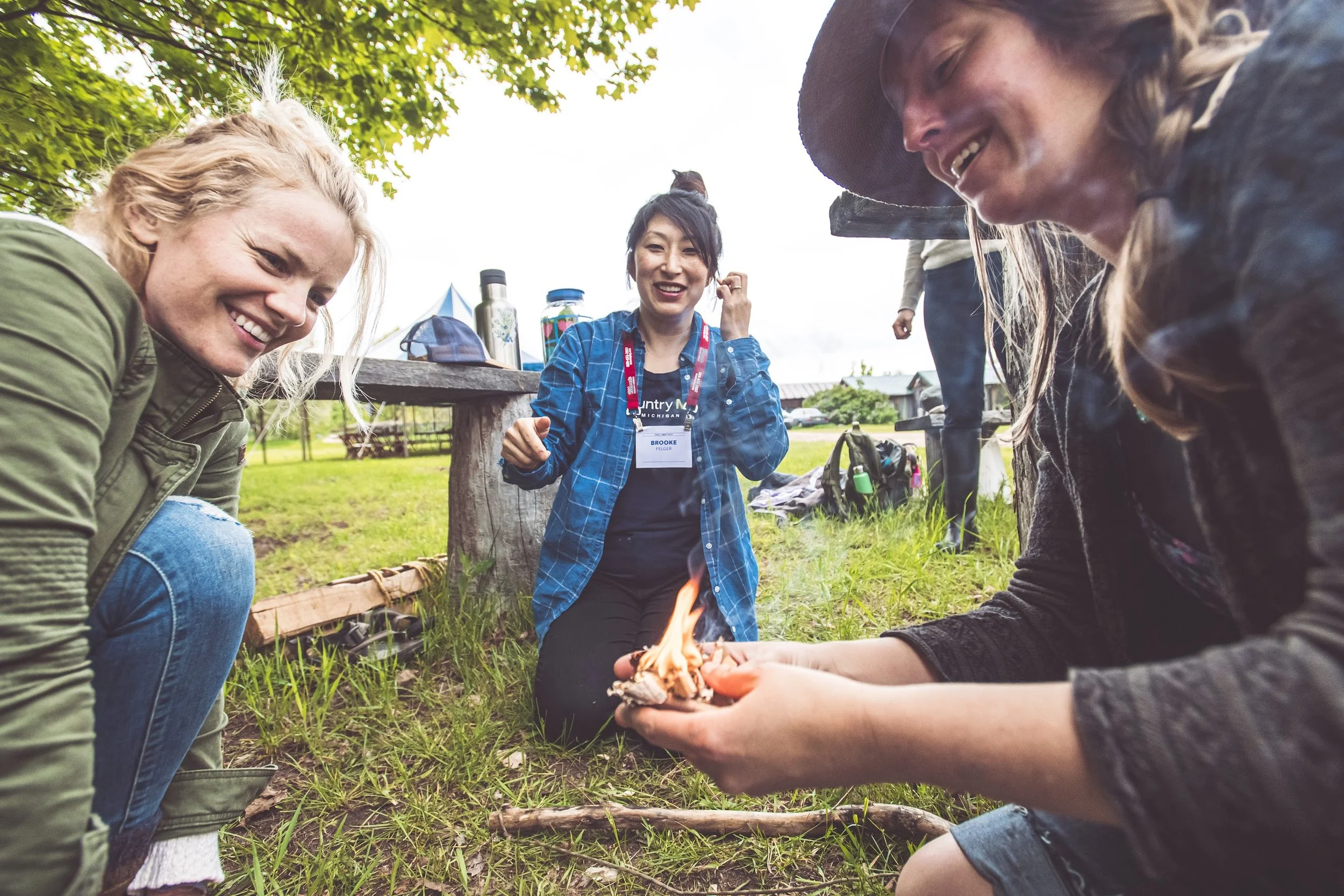
While helping with the Great Lakes Bioneers pre-conference, we started to see clearly that people want to work with their hands alongside their neighbors. They want to see the tangible things they can create together, and the real connections that are forged along the way.
The Skill Swap offered a gathering where folks could build those connections and learn a wide variety of skills alongside others. Over the course of a day or two, between shared meals and time together, workshops would be offered on everything from butchery to herbalism to fire starting.
While COVID marked the end of the Skill Swap as we once knew it, Crosshatch Meeting Place + Mercantile is offering similar experiences throughout the year.
Art Film Philosophy
Crosshatch loves all things artful, creative, and strange. Art Film Philosophy offered folks in Bellaire an opportunity to gather, learn about, and discuss new and interesting topics. While the internet opens opportunities to learn new things, there’s something truly special about gathering with neighbors face-to-face in a rural community to talk through complex ideas.
A few topics covered in the past include Japanese art, sundials and the nature of time, community resilience, folk dance, local economy and impact investing, and collaboration in art.
We’re excited to bring programming like this back to the Bellaire community at the Crosshatch Meeting Place + Mercantile.

The Alluvion
Crosshatch’s partnership in opening The Alluvion, a performing arts venue created by and for artists, brought our vision full circle. We were invited into the project because of our deep connections to artists throughout the region and around the world. Together with Commongrounds Cooperative and Jeff Haas, we set out to build a performance space created through the lens of an artist residency. A place that asks first how we can best support the artists that come through our doors. So many artists who visit and perform in the space are quick to share that it’s their new favorite venue.
Community Center Coalition
With support from the Michigan Department of Labor and Economic Opportunity, Crosshatch, Grow Benzie, and Commongrounds Cooperative formed the Community Center Coalition. Collectively, we were awarded $1.2 million to strengthen the communities of Northwest Lower Michigan by establishing an interconnected network of thriving community centers.
With this network and funding, all three organizations have been able to invest in new infrastructure to deploy essential programming for our region: workforce development, child care, food entrepreneur education, farming training, youth programming, and visual and performing arts.
These funds made establishing the Crosshatch Meeting Place + Mercantile a possibility.